Underground Pipe Installation in Denver, CO
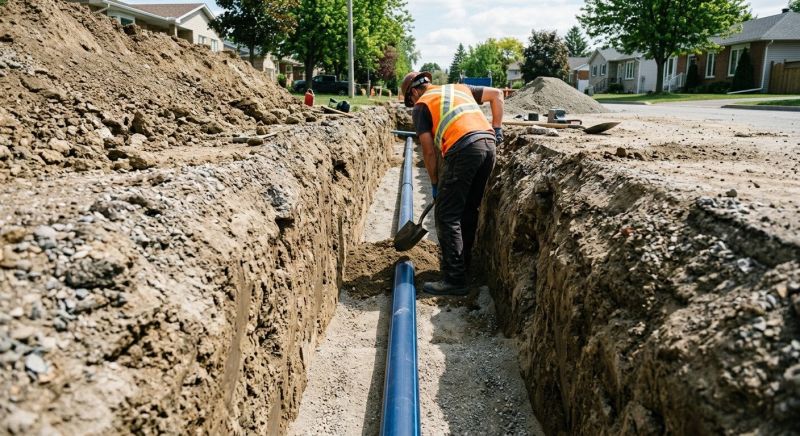
Underground pipe installation services involve placing piping systems beneath the surface of a property to support various utilities such as water supply, drainage, sewage, and irrigation. These projects typically include installing new pipes for home plumbing systems, replacing aging or damaged underground lines, or extending existing piping networks to accommodate property expansions or landscaping needs. Property owners often want to understand the scope of excavation involved, the types of materials used, and the importance of proper planning to avoid future issues like leaks or blockages.
Before requesting underground pipe installation, property owners should consider factors such as the location of existing utility lines, local zoning regulations, and the purpose of the new piping system. It’s also helpful to know about the potential for ground disturbance and the importance of accurate planning to ensure proper slope and drainage. Gathering information about the project’s scale, the materials suitable for specific applications, and any permits or approvals needed can help facilitate a smooth installation process.
Many property owners in Denver, CO look into Underground Pipe Installation for repairs, replacements, upgrades, and appearance-related improvements.
Underground Pipe Installation Overview
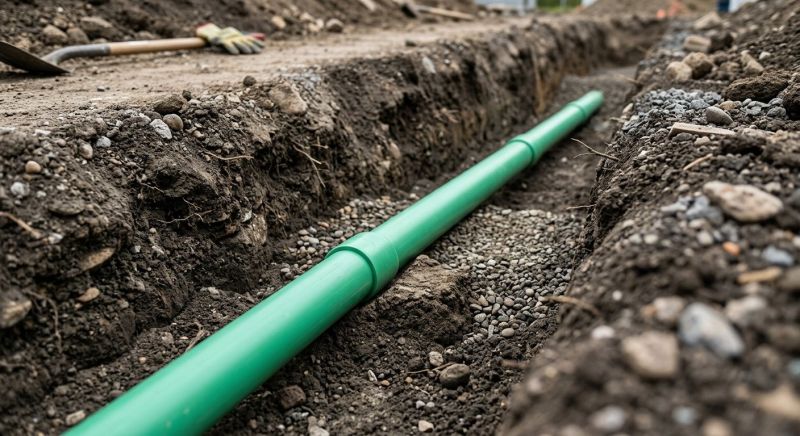
Professional installation ensures reliable plumbing and drainage systems for residential and commercial properties in denver.
Common Projects And Applications
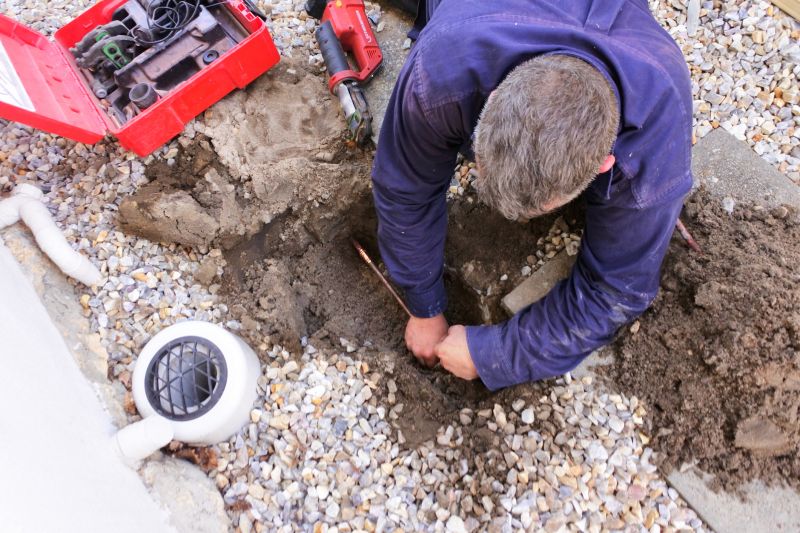
Services include installing water lines, sewer pipes, and drainage systems to support property infrastructure needs.
What Property Owners Should Know
Proper underground pipe installation involves careful planning to prevent future issues and maintain property value in denver.
Underground Pipe Installation in Denver, CO

Underground pipe installation services involve placing piping systems beneath the surface of a property to support various utilities such as water supply, drainage, sewage, and irrigation. These projects typically include installing new pipes for home plumbing systems, replacing aging or damaged underground lines, or extending existing piping networks to accommodate property expansions or landscaping needs. Property owners often want to understand the scope of excavation involved, the types of materials used, and the importance of proper planning to avoid future issues like leaks or blockages.
Before requesting underground pipe installation, property owners should consider factors such as the location of existing utility lines, local zoning regulations, and the purpose of the new piping system. It’s also helpful to know about the potential for ground disturbance and the importance of accurate planning to ensure proper slope and drainage. Gathering information about the project’s scale, the materials suitable for specific applications, and any permits or approvals needed can help facilitate a smooth installation process.
Many property owners in Denver, CO look into Underground Pipe Installation for repairs, replacements, upgrades, and appearance-related improvements.
Common Underground Pipe Installation Jobs
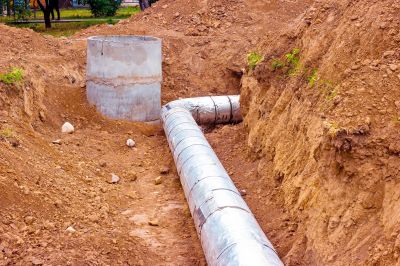
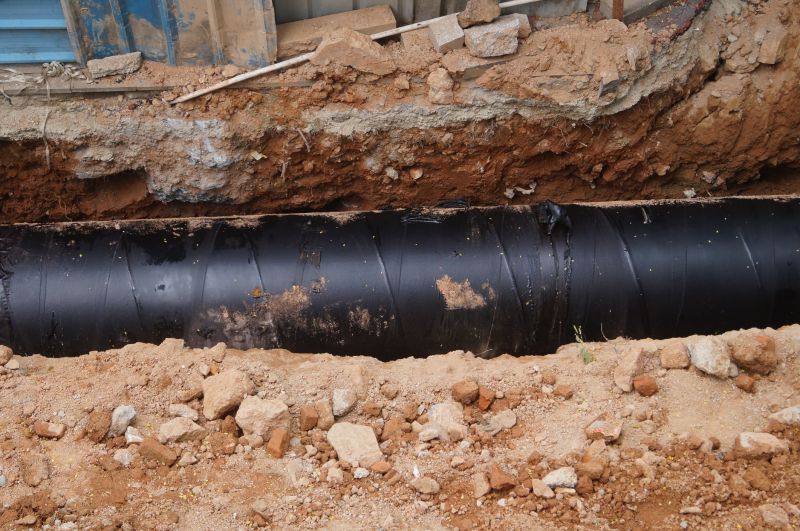
Underground pipe installation involves laying new pipes beneath the surface for various home systems.
Drainage pipe installation helps prevent water buildup and protects the property foundation.
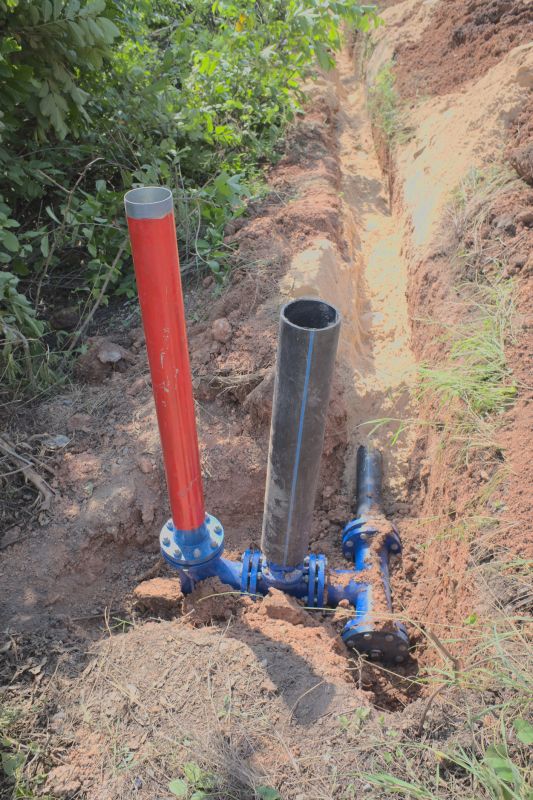
Water line installation connects homes to municipal supplies or new private wells efficiently.
Gas line installation ensures safe and reliable underground connections for natural gas appliances.
Septic pipe installation supports effective waste management in homes without access to municipal sewer systems.
Underground pipe repair addresses leaks or damage to existing pipes to restore proper function.
Underground Pipe Installation Questions
What types of underground pipes are typically installed? Common installations include water supply lines, sewer lines, and drainage pipes for residential and commercial properties.
Is excavation required for underground pipe installation? Yes, excavation is usually necessary to access the area where pipes will be laid or replaced.
What should property owners consider before installing underground pipes? It's important to assess soil conditions, existing utilities, and the proper pipe materials for the specific application.
How long does underground pipe installation usually take? The duration varies depending on the scope of the project, site conditions, and pipe length, but typically involves several hours to a few days.
Request Underground Pipe Installation in Denver, CO
Use the quote form on this page to share the basics of your project and request more information for the type of work you need.