Pipe Leak Detection in Denver, CO
Pipe leak detection services help homeowners identify hidden leaks within plumbing systems, often before they cause significant water damage or increase utility bills. This service is suitable for a variety of projects, including locating leaks behind walls, beneath floors, or in underground pipes. Property owners typically seek leak detection when experiencing unexplained water bills, reduced water pressure, or signs of water damage such as mold or damp spots, but want to understand the exact location of the leak before proceeding with repairs.
Before requesting pipe leak detection, property owners should consider the scope of the plumbing system and any recent changes or issues that prompted concern. It is helpful to know if there are specific areas of the property where leaks are suspected or if there have been previous repairs. Clear information about the plumbing layout and the symptoms observed can assist in accurately diagnosing the problem and determining the best approach for repair or replacement.
Many property owners in Denver, CO look into Pipe Leak Detection for repairs, replacements, upgrades, and appearance-related improvements.
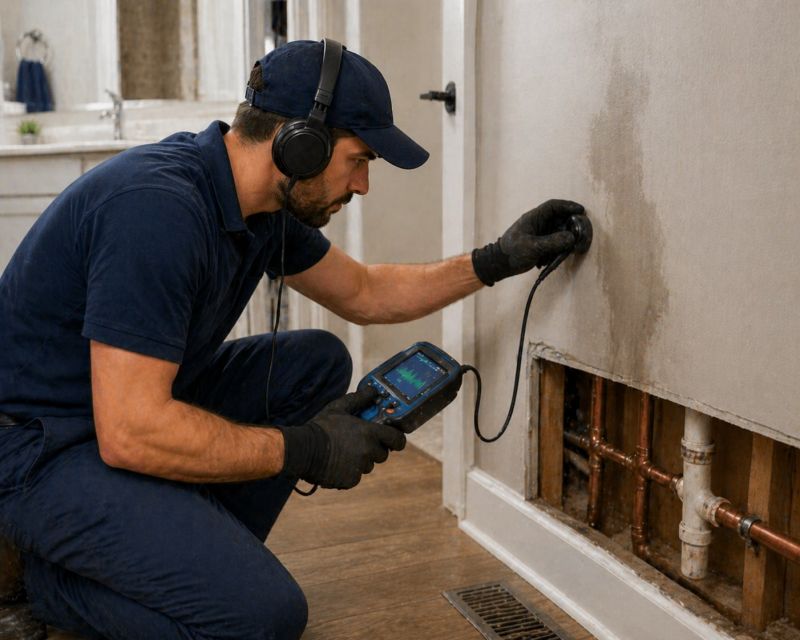
Identifying Hidden Leaks
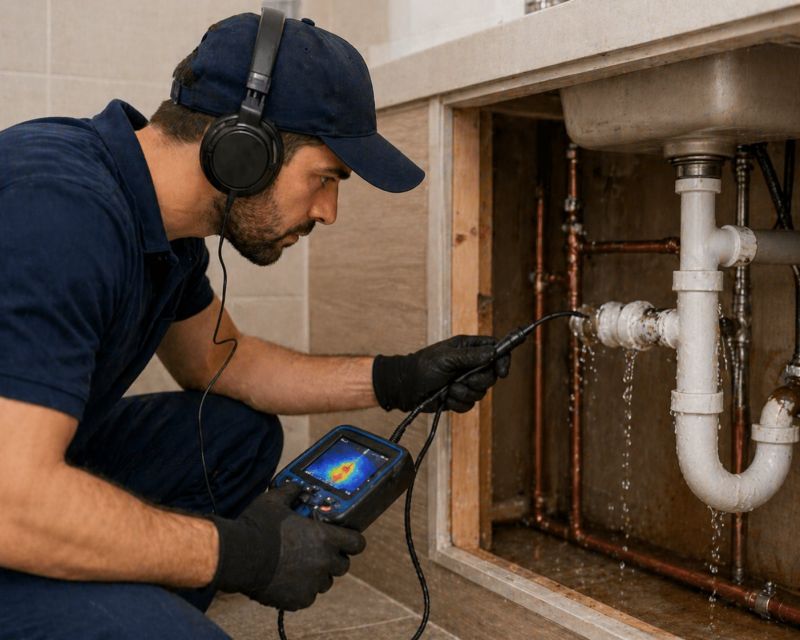
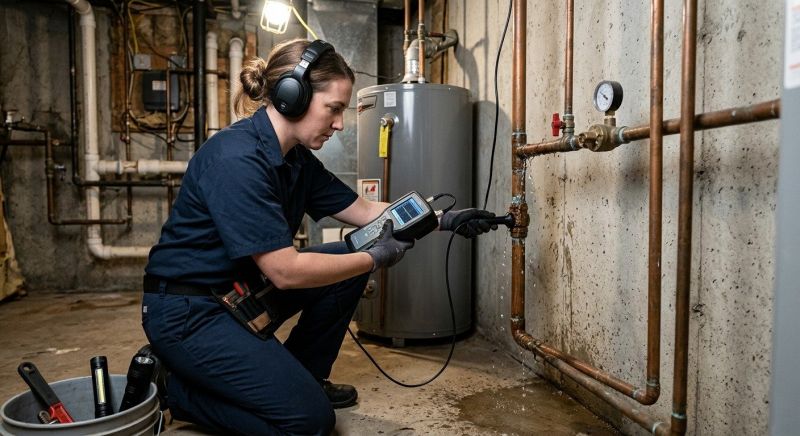
Advanced detection methods locate leaks behind walls and underground without extensive damage.
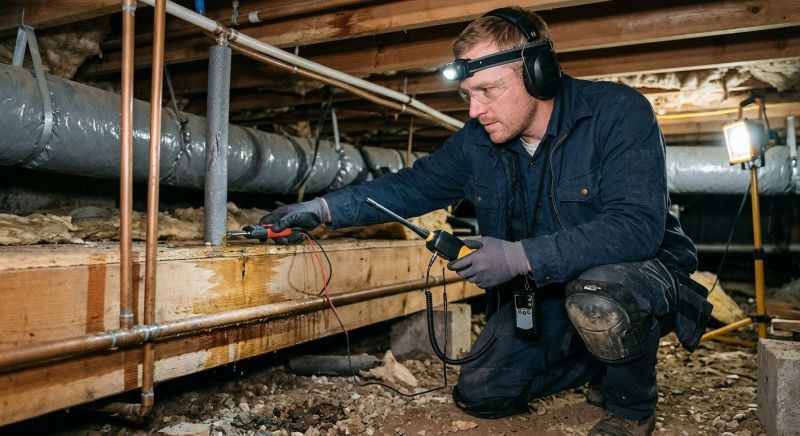
Preventing Water Damage
Early leak detection helps protect property structures and prevents costly repairs.
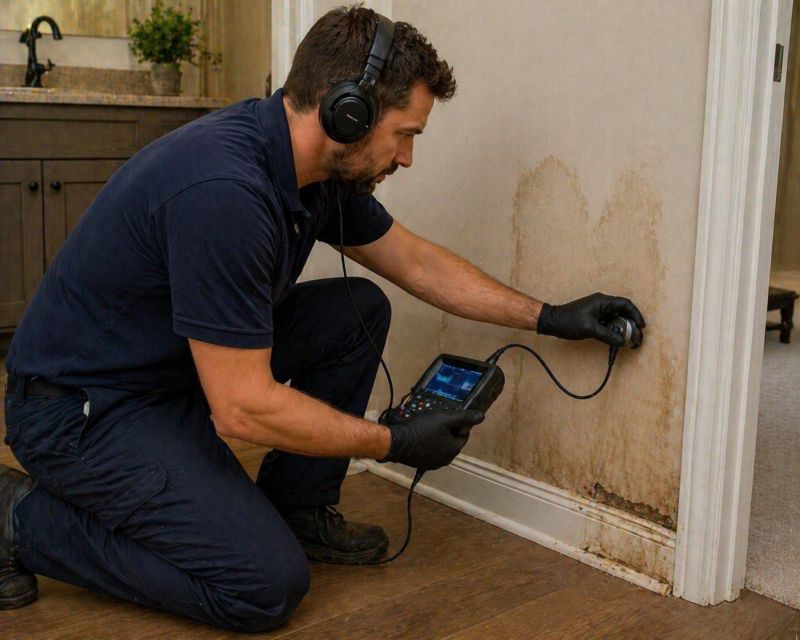
Reliable Leak Detection Techniques
Utilizing state-of-the-art tools ensures accurate identification of leaks in residential and commercial properties near denver, co.
Pipe Leak Detection in Denver, CO

Pipe leak detection services help homeowners identify hidden leaks within plumbing systems, often before they cause significant water damage or increase utility bills. This service is suitable for a variety of projects, including locating leaks behind walls, beneath floors, or in underground pipes. Property owners typically seek leak detection when experiencing unexplained water bills, reduced water pressure, or signs of water damage such as mold or damp spots, but want to understand the exact location of the leak before proceeding with repairs.
Before requesting pipe leak detection, property owners should consider the scope of the plumbing system and any recent changes or issues that prompted concern. It is helpful to know if there are specific areas of the property where leaks are suspected or if there have been previous repairs. Clear information about the plumbing layout and the symptoms observed can assist in accurately diagnosing the problem and determining the best approach for repair or replacement.
Many property owners in Denver, CO look into Pipe Leak Detection for repairs, replacements, upgrades, and appearance-related improvements.
Common Pipe Leak Detection Jobs
Residential plumbing inspections - specialized testing to identify hidden pipe leaks before they cause damage.
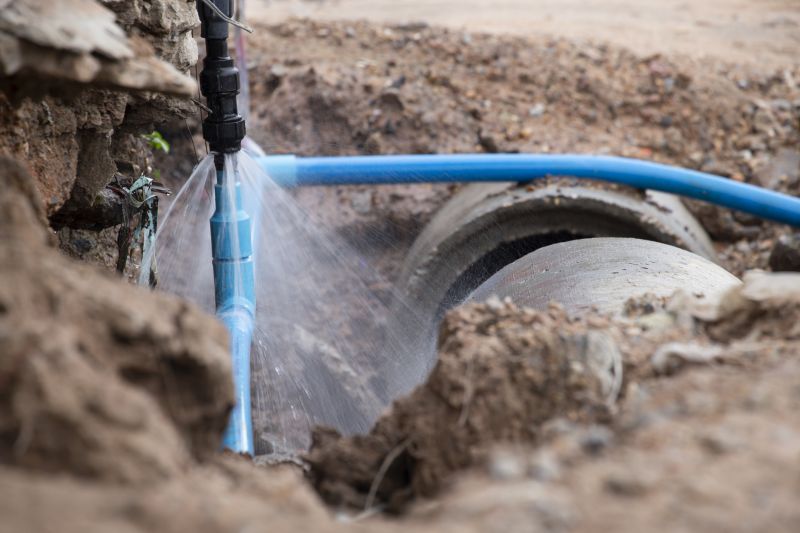
Underground leak detection - techniques to locate leaks within buried pipes without excavation.
Slab leak detection - methods to find leaks beneath concrete slabs that may cause structural issues.
Pipe system evaluations - assessments to pinpoint leak sources in complex plumbing networks.
Water pressure testing - checks to detect pressure drops indicating possible pipe leaks.
Drain line leak detection - services to identify leaks in drain pipes that can lead to water damage.
Pipe Leak Detection Questions
How can I tell if I have a pipe leak? Signs include unexplained water bills, damp spots on walls or floors, and reduced water pressure.
What areas are typically checked during leak detection? Common areas include underground pipes, behind walls, and beneath floors where leaks often occur.
Is pipe leak detection invasive? Techniques are non-invasive and aim to locate leaks without damaging property surfaces.
Why is early leak detection important? Detecting leaks early helps prevent water damage, mold growth, and costly repairs later on.
Request Pipe Leak Detection in Denver, CO
Use the quote form on this page to share the basics of your project and request more information for the type of work you need.